
Tom Bower: Why the Rumors Around Prince Harry, Meghan Markle, Archie, and Lilibet Are Exploding Across the Internet
Few modern royal stories have divided public opinion quite like the ongoing controversy surrounding Prince Harry and Meghan Markle.
What began as a love story that captivated millions has gradually transformed into one of the most debated and emotionally charged narratives surrounding the British monarchy in decades. From explosive interviews and Netflix documentaries to online conspiracy theories about the births of Archie and Lilibet, the Sussexes now find themselves at the center of a storm that continues to intensify.
And perhaps the most fascinating part of the entire controversy is not simply the rumors themselves — but the silence surrounding them.
Across social media platforms, royal forums, YouTube commentary channels, and tabloid headlines, speculation has grown at an astonishing pace. Questions about royal lineage, surrogacy theories, Buckingham Palace’s role, and the Sussexes’ carefully guarded privacy decisions have become a viral obsession online.
Whether fair or unfair, factual or exaggerated, the conversation has evolved far beyond celebrity gossip. For many observers, it has become a broader debate about trust, image control, monarchy, and the power of narrative in the digital age.
The Rumors That Refuse to Disappear
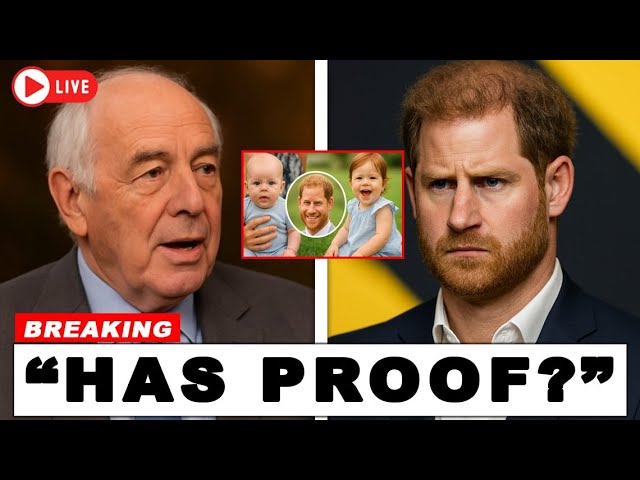
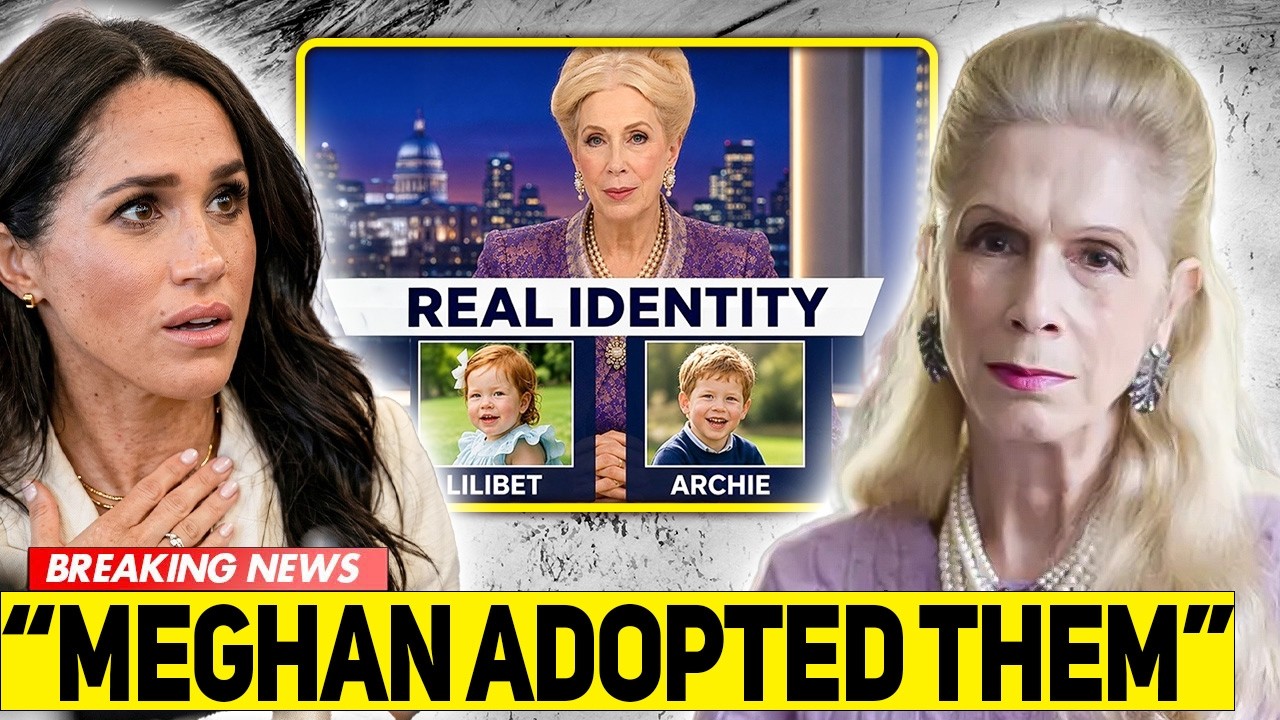
The most controversial discussions revolve around claims and theories concerning the births of Archie and Lilibet.
Online speculation has focused heavily on allegations of inconsistencies in timelines, hospital details, public appearances, and Meghan’s own descriptions of pregnancy and childbirth. Some internet commentators have revived long-standing “moon bump” theories — claims suggesting Meghan may have worn prosthetic pregnancy bumps during public appearances.
There is no verified evidence supporting these claims. However, that has not stopped the theories from spreading across social media.
The issue became even more amplified after commentary linked to royal author Tom Bower resurfaced online, reigniting debates around transparency and public trust.
For critics of the Sussexes, the monarchy’s silence has become part of the mystery itself.
For supporters, the rumors are viewed as another example of relentless harassment directed at Harry and Meghan.
The divide could hardly be more dramatic.
Why Royal Lineage Still Matters So Much
To many younger audiences, the intense focus on royal births may seem outdated or invasive. But within the British monarchy, lineage and succession remain deeply symbolic.
The royal institution is built on bloodlines, constitutional order, and carefully protected precedent. Questions surrounding births, succession, and legitimacy have historically carried enormous significance for the Crown.
That is why even minor inconsistencies can quickly spiral into public fascination.
Critics online argue that Buckingham Palace’s refusal to directly address certain rumors has only fueled greater suspicion. Others believe the monarchy intentionally avoids engaging with internet speculation because responding would elevate fringe narratives into mainstream royal crises.
Either way, silence has become one of the most powerful elements of the story.
The Oprah Interview That Changed Everything
For many royal watchers, the turning point came during the Sussexes’ explosive interview on The Oprah Winfrey Show.
The interview transformed Harry and Meghan from former working royals into global media figures openly challenging the institution they left behind. Claims involving racism, mental health struggles, media pressure, and palace dynamics shocked audiences worldwide.
Initially, public sympathy strongly favored the Sussexes.
But over time, something shifted.
As additional interviews, documentaries, podcasts, and memoirs followed, some former supporters began questioning whether the couple’s message was becoming overly commercialized.
Critics accused Harry and Meghan of simultaneously demanding privacy while continuing to monetize royal connections through Netflix projects, public interviews, and memoir deals.
That contradiction has become one of the central criticisms driving today’s backlash.
Prince Harry’s Emotional Struggle Resonates Deeply
Despite the controversy, many people still view Harry through the lens of personal trauma and emotional vulnerability.
Images of a young Harry walking behind the coffin of Princess Diana remain deeply etched into public memory. That emotional connection has shaped how millions interpret his actions even today.
Harry has repeatedly spoken about mental health, grief, anxiety, and fears surrounding security for his family. In interviews, he has described feeling unable to safely bring Meghan and their children back to the United Kingdom.
Those moments humanized him.
Yet some royal commentators now argue that Harry appears increasingly overwhelmed, emotionally strained, and trapped inside a public narrative he no longer fully controls.
Online discussions often portray him as torn between loyalty to his family, loyalty to Meghan, and frustration with the monarchy itself.
That emotional tension has become central to how the public interprets nearly every Sussex appearance.
Meghan Markle: Strategic or Misunderstood?
Public reactions to Meghan remain sharply divided.
To supporters, Meghan is a woman who entered one of the world’s most rigid institutions and faced extraordinary scrutiny unlike anything experienced by previous royal spouses.
To critics, however, Meghan’s public image is viewed as highly managed and strategically controlled.
Body language analysts frequently dissect her interviews, pointing to facial expressions, pauses, posture, and tone during public appearances. Some interpret her demeanor as uncomfortable or defensive, while others argue she simply appears cautious after years of media attacks.
The intense scrutiny surrounding Meghan reflects a broader reality of modern celebrity culture: perception often matters more than proof.
And in the social media era, speculation spreads faster than clarification ever can.
Buckingham Palace’s Silence Is Fueling More Questions
One of the most fascinating aspects of the controversy is Buckingham Palace’s near-total refusal to engage directly with online rumors.
That silence has sparked endless theories.
Some believe senior royals are deliberately distancing themselves from the Sussexes to protect the institution from reputational damage.
Others argue the monarchy avoids confrontation because acknowledging conspiracy theories could unintentionally legitimize them.
Royal insiders have long understood that the monarchy survives through controlled image management. Historically, the Crown has often relied on patience, distance, and strategic silence rather than emotional public rebuttals.
But the internet does not function like traditional media.
In today’s digital environment, silence can sometimes appear suspicious rather than dignified.
And that may be exactly why speculation continues growing.
Netflix, Branding, and the Collapse of Public Trust?
Another major factor influencing public perception is the Sussexes’ growing association with commercial media branding.
Their deals with Netflix, memoir releases, interviews, and public speaking projects transformed Harry and Meghan into independent global celebrities after stepping away from royal duties.
Initially, many viewers admired their attempt to build a new life outside palace restrictions.
But critics now argue that constant media exposure has weakened their credibility.
Some online commentators claim the couple “sold” their royal narrative for financial and branding purposes. Others say repeated public disclosures about family conflicts have created fatigue among audiences who once sympathized with them.
This shift in perception may explain why public opinion has become increasingly polarized.
The Sussex brand once represented rebellion against royal rigidity.
Now, for some critics, it represents celebrity overexposure.
Why the Archie and Lilibet Theories Continue Going Viral
Part of what keeps the controversy alive is the contrast between Harry and Meghan’s intense desire for privacy and the public visibility traditionally associated with royal children.
The children of Prince William and Catherine, Princess of Wales have frequently appeared in carefully managed official photographs and royal events.
Archie and Lilibet, by contrast, remain largely hidden from public view.
For supporters, this is understandable parental protection.
For critics, the secrecy fuels suspicion.
Social media thrives on mystery, and every unanswered question creates space for new theories to emerge.
Ironically, attempts to protect privacy may have unintentionally intensified public curiosity.
The Bigger Issue Behind the Controversy
Beyond the rumors themselves lies a larger cultural story.
This controversy reflects how rapidly public trust can shift in the modern media era.
Harry and Meghan once symbolized change, openness, and emotional honesty within a centuries-old institution. Today, they face growing skepticism from audiences who once defended them passionately.
The royal family, meanwhile, continues relying on the same strategy it has used for generations: endurance through silence.
But as digital speculation becomes more aggressive and globalized, many observers wonder whether traditional royal communication strategies still work in the age of viral conspiracy theories.
Conclusion: A Royal Crisis Fueled by Silence, Speculation, and Public Curiosity
The ongoing controversy surrounding Prince Harry, Meghan Markle, Archie, and Lilibet has become far more than a celebrity scandal.
It has evolved into a global debate about trust, privacy, image control, monarchy, and the power of internet narratives.
At the center of the storm are two competing realities: a couple insisting on protecting their family and a public increasingly demanding transparency from people whose lives remain tied to royal symbolism.
Whether the rumors are eventually disproven, ignored, or endlessly recycled online, one thing is undeniable: the silence surrounding the Sussexes has become almost as powerful as the speculation itself.
And in the modern royal era, perception can sometimes shape history just as strongly as truth.

Leave a Reply